
The term ‘Genocide’ holds a deep, multidimensional meaning. Coined by Raphael Lemkin in 1944, the word combines the ancient Greek ‘Genos’ (tribe, clan) and the Latin suffix ‘-caedo’ (act of killing). It defines a deliberate and intentional action to destroy a national, ethnic, racial, or religious group, in whole or in part.
According to the Geneva Convention and Article 2 of the UN General Assembly Resolution 260 (3) adopted on December 9, 1948, the atrocities perpetrated by the Pakistani military in 1971 strictly constitute a Genocide. Nowhere else in post-World War II history had such a massive number of lives been systematically taken in such a short span of time.
While ancient epics and scriptures—from the Ramayana and Mahabharata to the Iliad and Odyssey—prohibited the killing or torture of non-combatant civilians, women, and children, historical realities often differed. In the modern era, the invention of advanced weaponry drastically escalated the scale of mass violence.
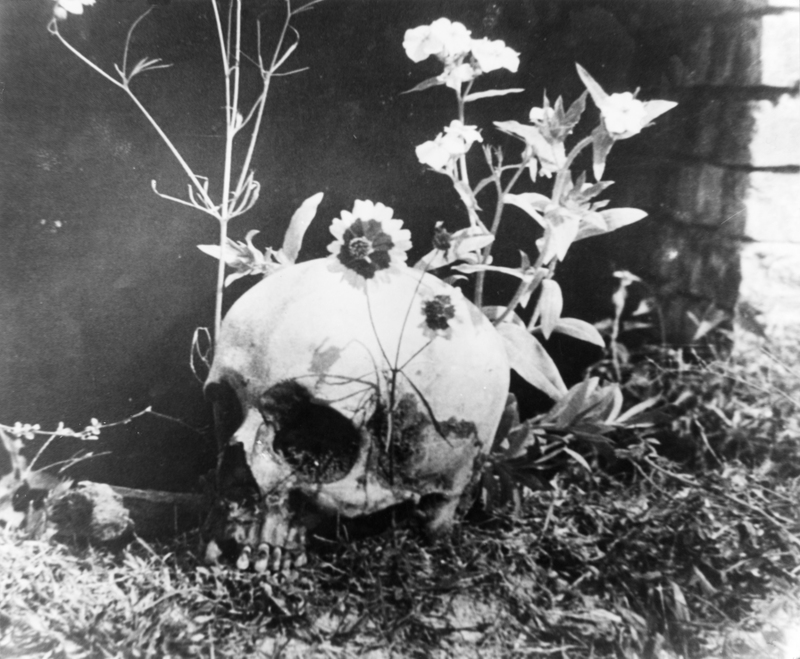
The 20th century, often termed the “Century of Genocide,” witnessed horrific mass slaughters globally—including the Armenian genocide, the Nazi Holocaust against the Jews, and atrocities in Cambodia, Rwanda, Bosnia, Myanmar, Sudan, and Nigeria. The 1971 Genocide in Bangladesh stands as one of the darkest chapters of this era, claiming an estimated 3 million lives.
Throughout the nine months of the Liberation War, the Pakistani Army launched a campaign of absolute destruction. To execute this nationwide slaughter swiftly, they relied heavily on local collaborators and paramilitary wings, including the Peace Committee, Razakar, Al-Badr, and Al-Shams.
Mass Violence against Women: Millions of men, women, and children were brutally murdered. Modern research estimates that between 200,000 to over 400,000 women were victims of brutal wartime rape by the Pakistani forces and their associates.
Targeted Execution of Intellectuals: Realizing the active role of thinkers in the Bengali nationalist movement, the Pakistani ruling class sought to intellectually cripple the emerging nation. Under the leadership of Rao Farman Ali and with the direct execution by Al-Badr forces, a well-planned abduction and killing of intellectuals was carried out in the final days of the war.
While the onslaught spared no one regardless of religion or political view, the Pakistani Army systematically prioritized the elimination of specific groups:
Awami League leaders and political activists.
Communists, Socialists, and progressive thinkers.
Freedom fighters (Muktijoddha) and their allies.
Students, academics, and intellectuals.
The religious minority communities, particularly the Hindu population.
Though indigenous populations, Buddhists, and Christians were also severely affected, the Hindu community was designated as a principal target. The Pakistani army and its local collaborators hunted down Hindu families, looted and burned their homes and businesses, and forced mass conversions in certain areas. This targeted violence created an adverse socio-political climate, forcing millions to flee and causing long-term demographic shifts that persisted even into the post-independence era.
Captured civilians and freedom fighters were subjected to calculated, medieval-style torture inside military camps and torture cells. Documented testimonies reveal the horrific procedures utilized by Pakistani military officers, which included:
Continuous severe beatings combined with psychological and verbal abuse.
Hanging victims upside down by their feet, combined with bayonet profiling.
Prolonged forced nudity and being held down on slabs of ice.
Severe burns inflicted with cigarettes on sensitive body parts and the anus.
Driving thick needles beneath nails and into fingertips, toes, and heads.
Subjecting wounds to salt and chili powder, and administering agonizing electric shocks.
Depriving victims of water and forcing chemical or biological humiliation upon them.
The widespread horror finally came to an end with the unconditional surrender of the Pakistani military on December 16, 1971.
1971 : Genocide-Torture Archive & Museum © 2014
All Rights Reserved
Privacy Policy / Terms of Use