
The Untold Cost of Freedom
Genocide and torture are defining, yet often underrepresented, chapters of our 1971 Liberation War. While we rightfully glorify our hard-won victory, the sheer magnitude of the atrocities—mass killings, rape, displacement, and systematic physical and psychological torture by the Pakistan Army and their collaborators—cannot be overlooked. These unprecedented crimes against humanity galvanized global support for Bangladesh. People may eventually forget a victory, but the profound pain of losing loved ones to such brutality remains etched in history. To ensure that the true price of our freedom is never forgotten, distorted, or questioned, the 1971: Genocide-Torture Archive and Museum was established.
Our Genesis
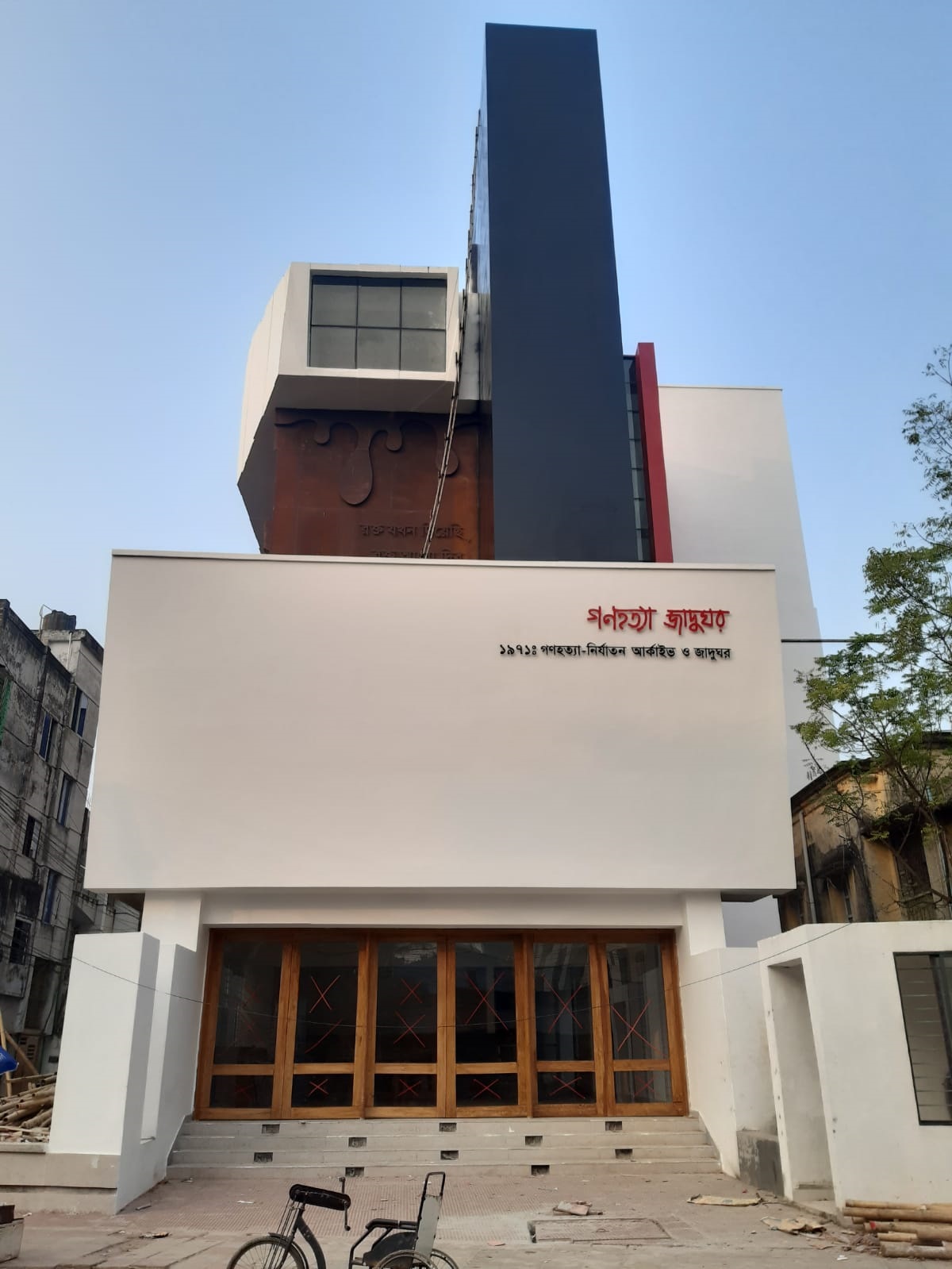
Proposed by Professor D. Muntassir Mamoon, President of the ‘Bangladesh Itihas Sommiloni’, this is the first museum in Bangladesh dedicated exclusively to documenting these atrocities. It was founded in Khulna on May 17, 2014—a fitting location, as the Khulna division witnessed numerous brutal massacres, including the largest one at Chuknagar. Guided by a dedicated trustee board chaired by Prof. Mamoon from the very beginning, the museum operates from a permanent premises, attracting visitors of all ages, especially students.
Our Mission & Vision
Our goal is to make present and future generations realize that ‘FREEDOM’ is more than just a six-letter word; it is built upon bloodshed, tears, and unimaginable sacrifice. We aim to share the true history to help build a peaceful world that collectively roars: “Stop Genocide and Torture.”
As a national organization, our core objectives include:
Developing a comprehensive archive of genocide photography, documents, and books.
Identifying and creating a precise database of killing fields and mass graves across Bangladesh.
Publishing books, research papers, and survivor testimonies.
Building a global network with other genocide museums and institutions.
Milestones & Activities
Over the years, our archive has grown remarkably. Some of our key achievements and ongoing initiatives include:
Memorials & Indexes: Setting up over 50 memorials at killing fields and torture cells across the country and publishing dozens of Genocide Indexes based on eyewitness statements.
Academic Courses: Launching the ‘Centre for Genocide-Torture and Liberation War Studies’ (supported by the Planning Commission and Ministry of Cultural Affairs) to offer exclusive certificate courses on the Liberation War.
Exhibitions: Hosting joint exhibitions with the National Museum of Bangladesh and the Government of Tripura, India.
International Recognition: Supervising a Liberation War sculpture garden at a memorial park in Tripura and curating their ‘Liberation War and Tripura 1971’ gallery.
Commemorative Stamps: Collaborating with the Bangladesh Post Office to release commemorative envelopes and a historic set of 71 stamps featuring the 1971 genocide and torture.
Outreach: Organizing regular memorial lectures, installations, and school outreach programs to connect students with local freedom fighters.
Campus & Facilities
Rich Library: An expanding collection of area-wise Liberation War publications and books.
Bookstore: Dedicated to selling pro-liberation literature and research publications.
200-Seat Auditorium: A fully equipped auditorium for seminars, discussion meetings, cultural acts, and screening documentaries.
Cafeteria: A welcoming space for our visitors to rest and reflect.
Join Our Cause
Establishing and expanding a non-profit private museum of this scale requires immense time, effort, and resources. We have just ignited the flame; it is now the holy duty of all pro-liberation spirited individuals to keep it burning.
How You Can Help:
Donate Artifacts: We welcome souvenirs, documents, publications, or any physical items related to 1971.
Share Information: Let us know if you have details about undocumented killing fields or mass graves.
Financial Support: Your unconditional contributions help us expand our research, institutionalize our efforts, and preserve history for the generations to come.
1971 : Genocide-Torture Archive & Museum © 2014
All Rights Reserved
Privacy Policy / Terms of Use